

Ankara is the capital of Turkey, but except for two or three must see items, its pretty much the Canberra of Turkey.
Our first impression driving into Ankara was just how big it was. Negotiating the traffic via Google Maps was challenging, and after a few wrong turns we made it to Attaturk’s Mausoleum in Anıtkabir. Attaturk is a bit of a hero of mine and it was great to wander through the extensive museum and see how one man’s will and determination created a whole modern nation, including a new alphabet and written language, surnames, a legal framework and a modern education system plus a heap of other stuff. They don’t call him the Father of Turkey for nothing. Definitely a must see.
Our second destination was the Museum of Anatolian Civilisations – also a very impressive museum, impressive enough to have won the European Museum of the Year. The Museum uses the catch phase “Turkey – The Biggest Outdoor Museum in the World”, with which we would have to agree. If you haven’t been to Turkey you should definitely do yourself a favour! The museum was mostly old stuff – you know – 3000 years ago or so; plus a little bit of much newer stuff from the days of Alexander the Great and the Romans. Anatolia was one of the cradles of early civilization and the museum was chocker block full of amazing Hittite statues, wall friezes and pottery. Great museum. The museum was also just below the old castle; so we stretched our legs and headed upwards. On the Morgan scale of Castles, this one rated a “‘Medium” – but we are getting picky these days. We walked along the castle ramparts and got a great view of Ankara stretching out into the distance.

Our visit to Ankara was a hit and run exercise and we were soon on our way to Safranbolu, a wonderfully preserved traditional Ottoman village. It was a very interesting drive through the rolling hills as we continued to make our way North. The drive into Safranbolu is equally as impressive as you drop down into the valley where it is situated. We had the choice of quite a few quaint hotels, old stone mansions that have been turned into boutique hotels. The old caravanserai from the 14th century has also been turned into a very impressive hotel. From the 13th century to the advent of the railway in the early 20th century, Safranbolu was an important caravan station on the main trade route from the Orient to the West. Nowadays, Safranbolu is a UNESCO World Heritage site with the Old Mosque, Old Bath and Süleyman Pasha Medrese all surviving since 1322. The streets come alive at night with small traders and restaurants adding lots of colour and movement. Another highlight of our road trip and well worth the effort to go up there.

That ended up being as far north as we got. It was time to head towards Cappadocia – but first we needed to get a little Bronze Age action along the way. So we headed for Hattusa, the ancient capital of the Hittite Empire. It was a long drive, through some thunderstorms to Boğazkale, where we camped the night at a great little Hotel with virtually no other guests. Had a great chat to the owner over a bottle of red and dinner and called it a night.
Next morning, we headed into the museum in Boğazkale, where a lot of the bits and bobs from Hattusa are displayed. There’s a couple of very impressive stone sphinxes, originally found at the southern gate in Hattusa – one of which was returned from Germany in 2011, after much postering and numerous requests. Having got a bit of a feel for the place from the museum, we hopped into the car and drove to the actual archaeological site of Hattusa. The first thing you see is a very impressive fort that formed part of the wall that went around the whole of Hattusa, courtesy of some fairly good slave power I imagine. Hattusa is a huge site, so you actually have to drive around it and see it all. There’s an impressive tunnel that goes quite a way under the city wall and lots of remnants of buildings that show the extent of the place. We finished off our visit to Hattusa with a short trip north to the rock sanctuary of Yazılıkaya, with its interesting and very old rock carvings.

With our knowledge of the Hittite civilisation greatly enhanced, it was time to head south east towards the famous and mythical area of Capadoccia.
For photos of our Road Trip click here.


 Next stop was one we would have never have got to if it hadn’t been for Peter suggesting we go there. It was the Hittite moment at Eflatunpınar, which means “lilac coloured spring”. The spring have been directed into a rectangular pond with a high wall of reliefs with the Storm God and the Sun Goddess with winged sun-disks above each. The most amazing thing about this is that it was built 3000 years ago, well before the Greek empire came into existence.
 next stop – Beyşehir on lake Beyşehir was very impressive, mainly due to an extremely old wooden mosque. Dee got accosted by a lovely old lady who helped us cover up appropriately so we could go in and marvel at the wood work.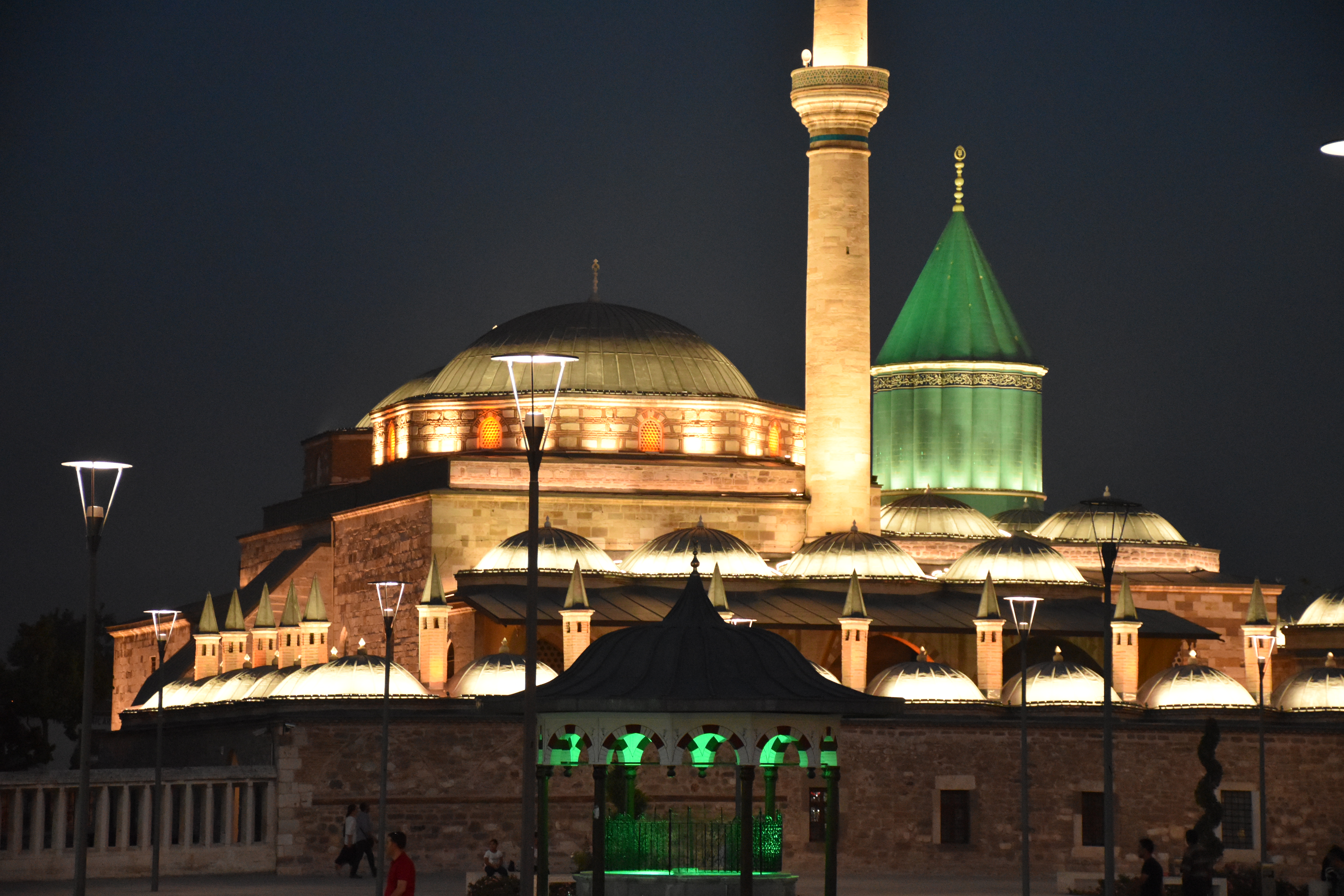


 The motor sail back from Kekova to Kas was into the wind so more motor than sail. We did a few tacks and ended up going quite close to Kasterlorizo so Randy and Toma got a bonus look at Greece.
 The harbour is really busy in summer with a steady stream of gullets coming and going, along with a splattering of yachts. This was where we first met Smiley. Smiley owns Smiley’s Restaurant (which after all is quite reasonable) and he’s a permanent fixture on the wall as each new yacht pulls in. He helps you find a spot, yells out anchoring tips and helps every yacht tie up. Then he proceeds to make you feel right at home. A local Kas icon and all round good guy.
 the highlight of our stay was a Turkish shave and massage in the local barber’s shop of which there are many. Randy had never had a shave from a straightedge before so it was a real experience for him. And me too.
 We pulled up on one of several restaurant piers at the front of the village, right next to a Lycian tomb sitting in a metre of water. You get the berth for free on the basis that you eat in the restaurant. Fair deal.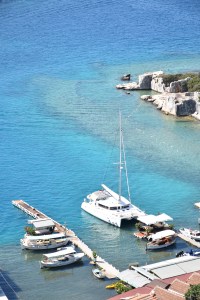
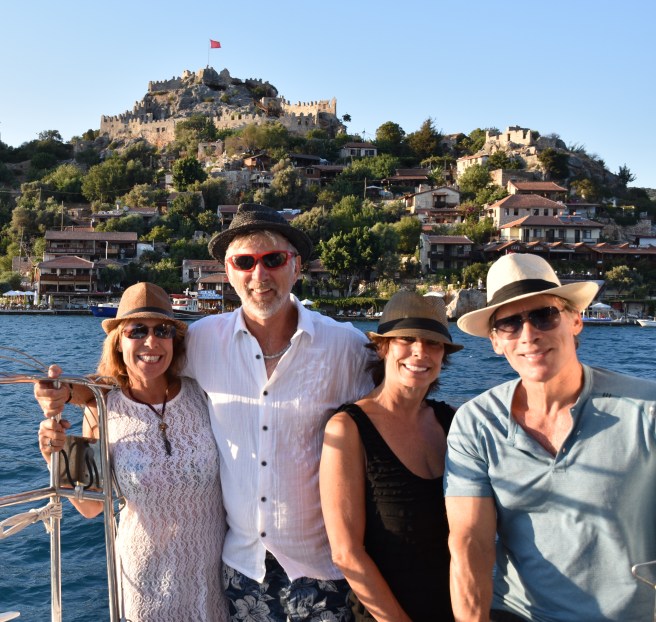

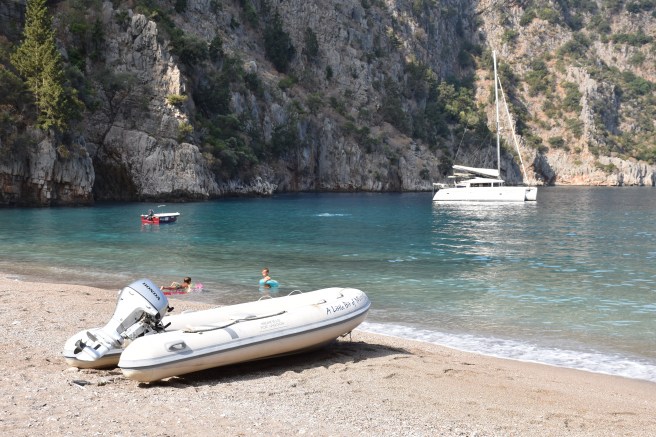




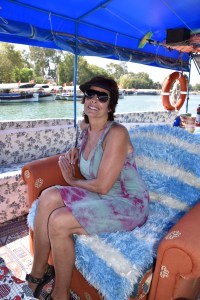 River. What a pleasant little spot that was, but the half day we had there was a little short. We took the obligatory riverboat trip past all the incredibly impressive Lycian tombs, perched half way up the sheer cliff walls. The boat dropped us off up the river and we had a short 15 minute walk up to some very impressive roman ruins at Caunos, with a nice Amphitheatre and a delightful little port area that is now several miles inland. It was a great couple of hours – given we didn’t have time to do the half day full river-cruise down to the mouth of The River to see the turtle sanctuary.
 Next morning we did a longer swim to the Roman ruins that were half-submerged in – you guessed it – Ruin Bay, which was just around the corner from Wall Bay.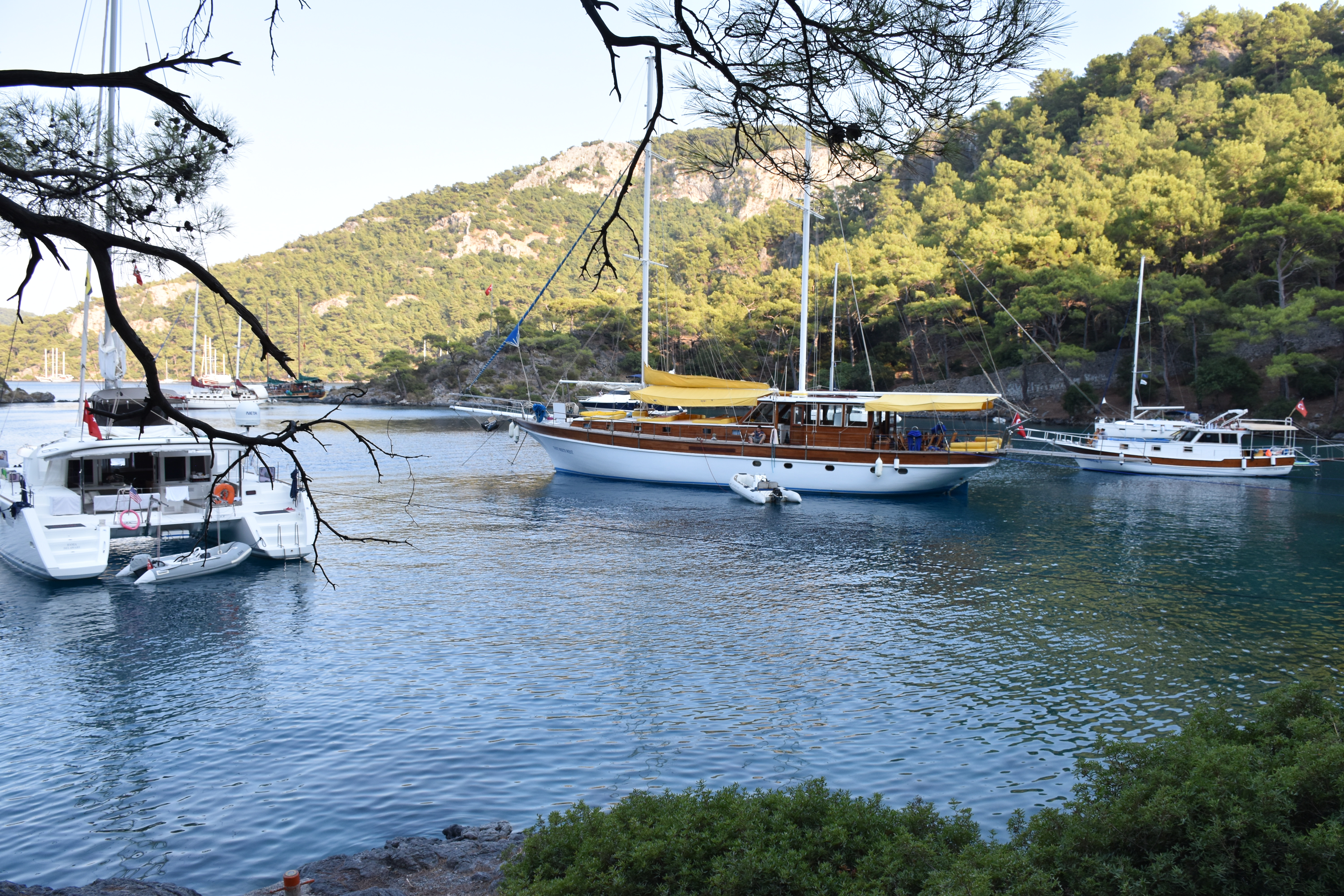


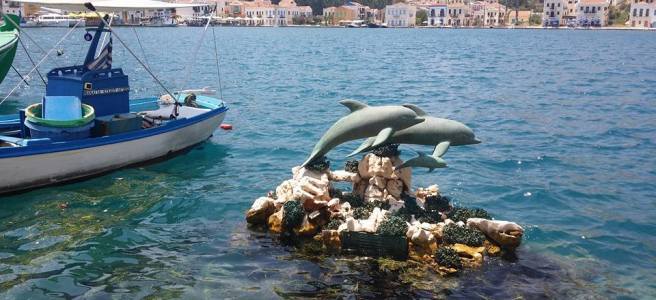


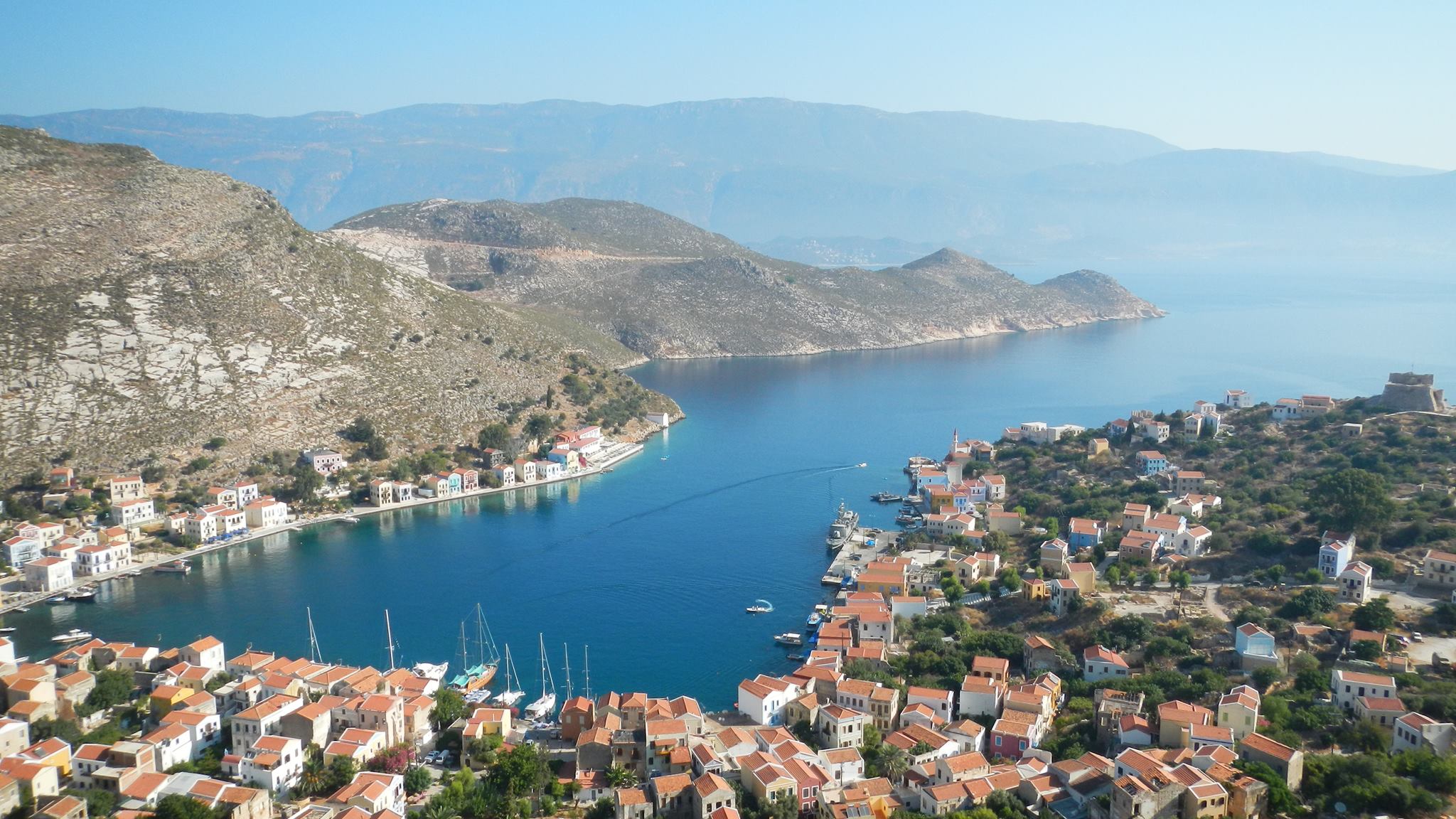

 After a week of partying, eating, drinking, walking and swimming, the Island’s temporary Australian population started to slowly decline to more normal levels as Greg’s friends all hopped on ferries or planes to continue their travels. And so it was with us as we said goodbye to Greece and hello to Turkey, a mere couple of miles away
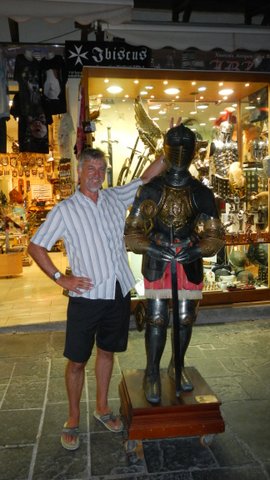
 Safely anchored, we had a couple of wonderful days there, swimming, eating and shopping. The town had some wonderful rooftop restaurants overlooking the bay and we enjoyed a night time dinner talking to some interesting Israelis before retiring to the Captains House Bar, an original Captain’s House from the 17th Century built by a wealthy seafarer with ornate carved stone work around the Sala door and the original hand painted ceiling still intact. The barman and the owner were great company and it took us to the early hours of the morning to eventually leave. For our second night on the town, we took the recommendation of a Pommy rugby player who was managing a jewelry shop (interesting combination), and checked out another Captains House (there are a few of them in Lindos) that was an up and coming restaurant called Olive Street. It turned out to be a great recommendation and a step up from a lot of the (very good) tavern meals we’d been enjoying.
 A Little Bit of Mischief